Winter Pruning: The secret to a productive summer garden
While it’s tempting to stay curled up by the fire when the temperature drops, your garden is actually waiting for a bit of “tough love.” Winter pruning—carried out while plants are in their deep winter slumber (dormancy)—is one of the most rewarding tasks a gardener can tackle.
Without leaves in the way, you can finally see the “skeleton” of your plants, making it much easier to spot where to snip. Whether you’re looking to boost your fruit harvest or keep your shrubs from staging a takeover, here is your guide to mastering the winter cut.
Why prune now?
Pruning in the cold isn’t just about tidiness; it’s about strategy. By cutting back now, you:
- Encourage Vigor: Channelling the plant’s energy into specific buds for stronger growth in spring.
- Prevent Disease: Removing dead or crossing branches before fungi have a chance to settle in.
- Renovate: Reviving old, unproductive shrubs like Viburnum or Mahonia that have lost their way.
What to prune in winter:
1. The “Bleeders” (Grapevines & Figs)
Some plants, like grapevines, acers, and figs, are a bit dramatic. If you prune them too late, they “bleed” sap, which can weaken the plant. Prune in December or January while they are deeply dormant. Cut back to the main “rod” or support framework.
2. Autumn-fruiting raspberries
These are the ultimate “low maintenance” fruit. Cut all canes down to about 5cm above the ground. This hard reset encourages fresh stems that will bear fruit later this year.
3. Group 3 Clematis
If your Clematis flowers in late summer, it’s likely a Group 3. Don’t be shy—cut the whole plant down to 10cm above the ground in February. It feels brutal, but it guarantees a wall of flowers later.
4. Wisteria
To get those iconic dripping blooms, Wisteria needs a two-part haircut. In winter, prune all side shoots back to three or four buds. (Save the long, whippy shoots for a second pruning in the summer).
5. Roses (Bush and Climbing)
Most roses love a heavy winter prune to stay healthy. Cut back thin, weak stems aggressively and keep thicker stems a bit longer. Aim for a final height of 15cm to 45cm, depending on the variety. Note: Save the rambling roses for a late-summer trim!
6. Apples and Pears
The goal here is the “Wine Glass” shape: a hollow center that lets light and air reach the fruit. Remove dead, diseased, or crossing branches. Channel that energy into the remaining buds for a bumper crop.
Avoid stone fruits
Whatever you do, put the shears away when you walk past your Cherry, Plum, or Apricot trees. Pruning stone fruits in winter leaves them vulnerable to Silver leaf disease. Wait until the warmth of midsummer to trim these beauties.
Quick tips for success
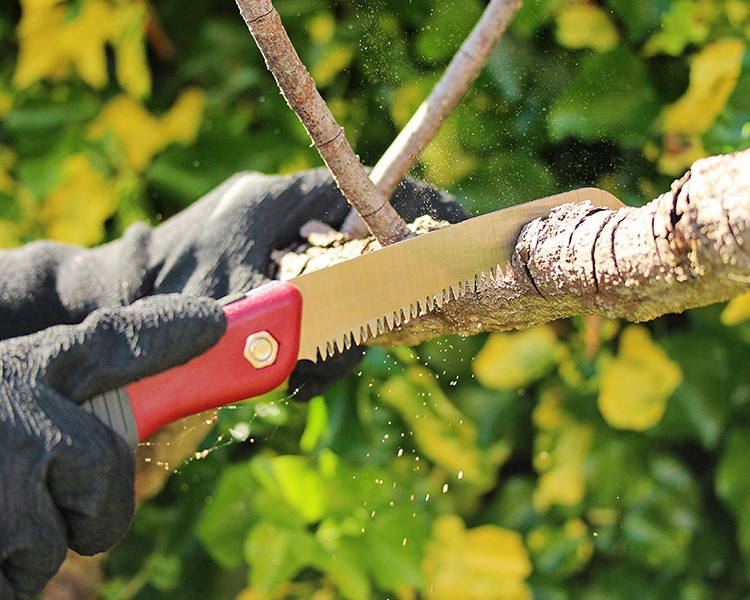
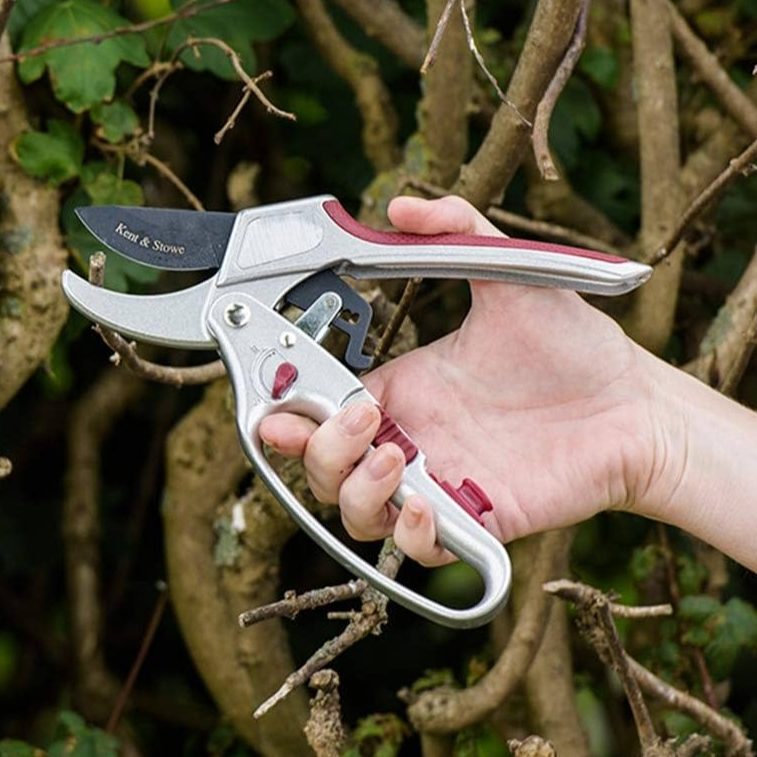
- Use Sharp Tools: A jagged cut is an open door for infection.
- The “3 Ds”: Always start by removing anything Dead, Damaged, or Diseased.
- Clean Up: Remove the clippings from the base of the plant to prevent pests from over-wintering.
Winter pruning might feel like a chore when it’s chilly out, but come July, your garden will thank you with bigger blooms and baskets of fruit.