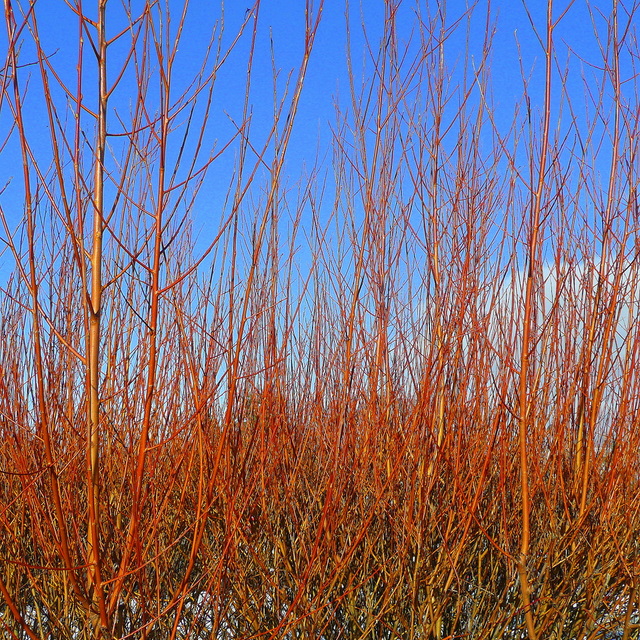
As the days shorten and the chill of winter truly sets in, many gardens can start to look a little… well, brown. But there’s one plant that absolutely refuses to fade into the background. Instead, it takes center stage, igniting the landscape with a spectacular show of color just when we need it most. Our December Plant of the Month is the incredible Common Dogwood – Cornus sanguinea. If you’re looking for vibrant color and a true winter pick-me-up, this is the shrub for you.
The ultimate winter showstopper
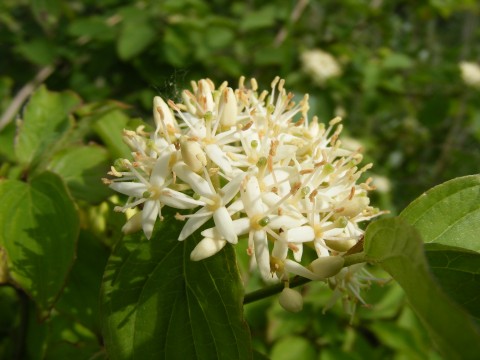
Forget flowers for a moment; Dogwood proves that stems can be every bit as ornamental, if not more so, than blossoms. While its green leaves and subtle white flowers during the warmer months are pleasant enough, it’s when those leaves fall that the real magic begins.
From late autumn through to early spring, the bare stems transform into a blazing kaleidoscope of yellow, orange, and fiery red. The younger stems, in particular, glow with an intensity that seems to defy the cold, bringing warmth and cheer to even the greyest December day. Imagine sunlight catching those stems – it looks like the plant is quite literally on fire!
Why Dogwood is a garden must-have:
- Unrivalled Winter Color: This is its main draw. The vibrant stem color is unmatched by almost any other plant in winter.
- Architectural Interest: Even without leaves, the intricate network of colorful stems provides fantastic structure and texture in the garden.
- Easy to Grow: Dogwoods are surprisingly unfussy. They tolerate a wide range of soils, including damp conditions, and are generally pest-free.
- Compact Size: Growing to around 2-3 meters, it’s a manageable size for most gardens, and its best color comes from regular pruning, which also keeps it in check.
A haven for winter wildlife
Beyond its stunning good looks, Dogwood also plays a quiet but important role for garden wildlife during the colder months:
- Shelter for Birds: The dense, twiggy habit of the shrub offers excellent cover and refuge for small birds like wrens, dunnocks, and even robins, protecting them from predators and harsh winter weather.
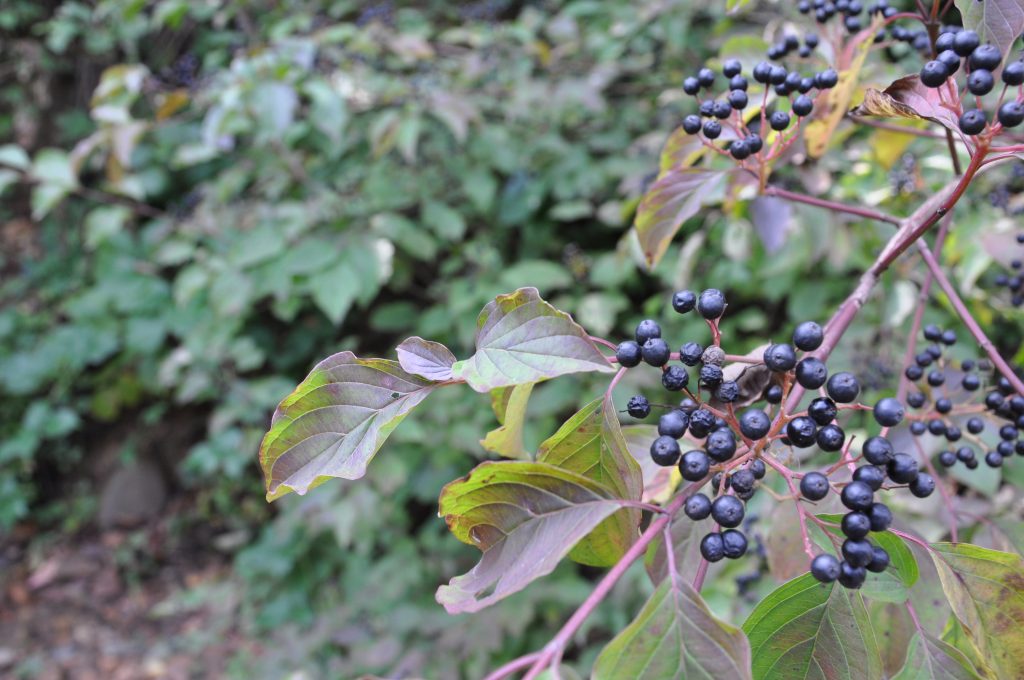
- Late Season Berries: While the show-stopping stems are the main event in winter, Cornus sanguinea varieties also produce small, dark berries (which are mildly toxic to humans but relished by birds!) in the autumn, providing a valuable food source before the full winter chill sets in.
Care and location
To achieve the most intense stem color, a simple pruning regime is key:
- The “Cornus Cut”: Every year (or every other year) in late March or early April, cut the stems down to about 10-15cm from the ground. This encourages lots of fresh, new growth, and it’s these young stems that produce the most vivid colors the following winter.
- Location: Plant it where the low winter sun can catch its stems – this will amplify their fiery glow. It looks particularly stunning planted in drifts or against a dark evergreen backdrop to make the colors really pop.
Don’t let your garden be dreary this December. Invite some spectacular Dogwood in, and enjoy a vibrant burst of color that will warm your spirits all winter long.