Putting Down Roots
So, you’ve wandered through our plant area and found the perfect specimen. Now comes the important part: getting it into the ground.
Planting a tree is more than just digging a hole and hoping for the best; it’s an investment in the future of your garden. Follow this guide to ensure your new addition doesn’t just survive, but thrives.
1. Timing and Preparation
The best time to plant is generally between autumn and spring, when the soil is moist and the tree is dormant.
Before you pick up the spade, give your tree a good soak while it’s still in its pot. A thirsty root ball is a stressed root ball.
2. Digging the Perfect Hole
Size matters here. You aren’t just digging a hole; you’re preparing a foundation.
- Width: Aim for a hole twice as wide as the root ball. This loosens the surrounding soil, making it easier for new roots to push through.
- Depth: Dig no deeper than the height of the root ball. If you plant it too deep, the stem may rot; too shallow, and the roots will dry out.
Pro Tip: Use your spade to “score” the sides of the hole. If you have heavy clay soil, smooth sides can act like a ceramic pot, trapping the roots inside. Roughed-up edges encourage them to venture outward.
3. Boosting the Soil: John Innes & Bonemeal
To give your tree the best start, you need to enrich the “backfill” (the soil you took out of the hole).
- John Innes Compost: We recommend mixing your garden soil with John Innes No. 3. It’s a traditional, loam-based compost that provides the weight and nutrients specifically required for trees and heavy-feeding shrubs.
- Bonemeal: Sprinkle a handful of bonemeal into the planting hole and mix it into the backfill. This organic fertiliser is high in phosphorus, which is the secret ingredient for rapid, healthy root development.
4. Planting the Tree
Place the tree in the centre of the hole. Check the “nursery line”—the mark on the trunk that shows how deep it was planted in its original pot. This should be level with the soil surface.
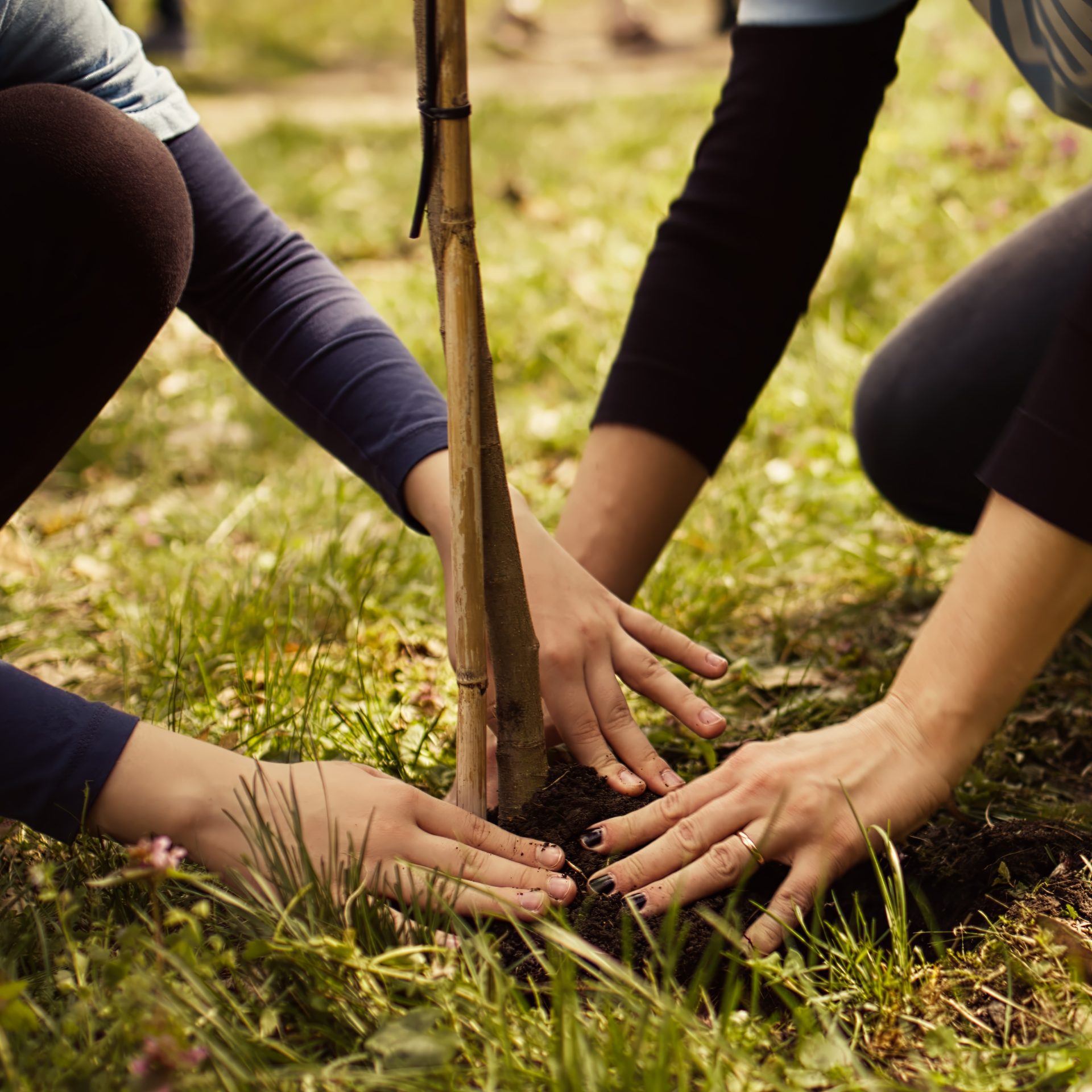
Fill the hole with your enriched soil mixture, firming it down gently with your heel as you go to remove any air pockets. Don’t stomp on it like you’re crushing grapes; a firm “tread” is plenty.
5. Tree Staking
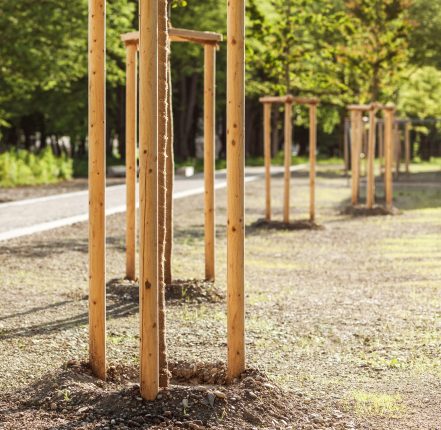
Most young trees need a bit of support while their roots anchor into the earth. Staking prevents the wind from rocking the tree, which can tear delicate new root hairs.
Check out our comprehensive guide to tree staking here.
6. Aftercare: The First Year
Your job isn’t quite done once the spade is put away. The first year is the most critical:
- Watering: This is the big one. Even if it rains, check the soil. A newly planted tree needs a generous bucket of water at least once a week (more in a dry summer).
- Mulching: Apply a 5-8cm layer of bark chip or leaf mould around the base of the tree. This keeps moisture in and weeds out. Just make sure the mulch isn’t touching the trunk itself.
- Check the Ties: Every few months, ensure the tree tie isn’t becoming too tight as the trunk grows.
Planting a tree is one of the most rewarding things you can do for your garden and the local environment. If you’re unsure which variety suits your soil type or how many bags of John Innes you’ll need, pop back into the centre—we’re always happy to help!