Let’s be honest: while a wooden fence is all well and good, nothing beats the lush, living privacy of a well-planted hedge. Whether you’re looking to block out the wind or just stop the neighbours from seeing exactly how many biscuits you’re eating in the garden, a hedge is a brilliant investment for both your privacy and the local wildlife.
1. Timing is Everything
In the UK, the “bare-root” season (typically November to March) is the prime time to plant. The plants are dormant, the ground is usually moist, and—more importantly—it’s much cheaper than buying pot-grown shrubs in the summer. Just make sure the ground isn’t frozen solid or waterlogged before you start digging.
2. Choose Your Plant
Think about what you want from your “green wall”:
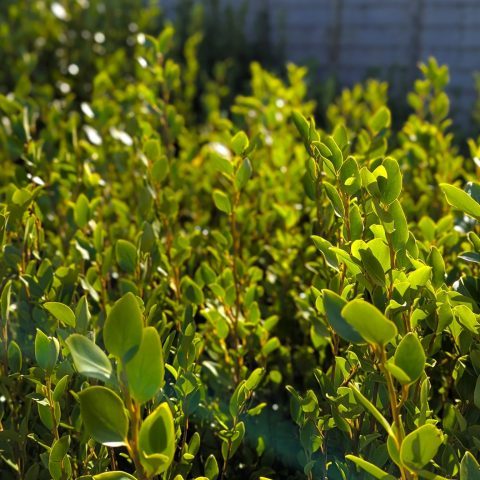
- For year-round cover: Yew or Laurel.
- For ease: Euonymus.
- For the birds and bees: Hawthorn or Blackthorn.
3. Prepare the Ground
- Dig a trench: Clear a strip about 60cm wide. Remove any weeds or grass—they are greedy and will steal the nutrients your young hedge needs.
- Improve the soil: Dig in some well-rotted manure or garden compost. It’s a bit of a workout, but your plants will thank you.
4. The Main Event: Planting
- Spacing: Generally, you’ll want 3 to 5 plants per metre. For a thicker, more “impenetrable” hedge, plant them in a staggered double row.
- Depth: Look for the “soil mark” on the stem. Plant them at the same depth they were in the nursery.
- Firming in: Use your heel to gently firm the soil around the roots. You want to remove air pockets without compacting the earth into a brick.
5. Aftercare
Once they’re in, give them a generous soak with a watering can. You’ll need to keep an eye on them during their first year—especially during those rare British “heatwaves.” A bit of mulch (bark chips) on top will help keep the moisture in and the weeds out.
The Golden Rule: Be patient. A hedge won’t become a fortress overnight, but with a little bit of care, it’ll be the backbone of your garden for decades.