Whether you have a sprawling cotil or a modest patio in St Helier, here is how to invite the best of Jersey’s wildlife to your back door.
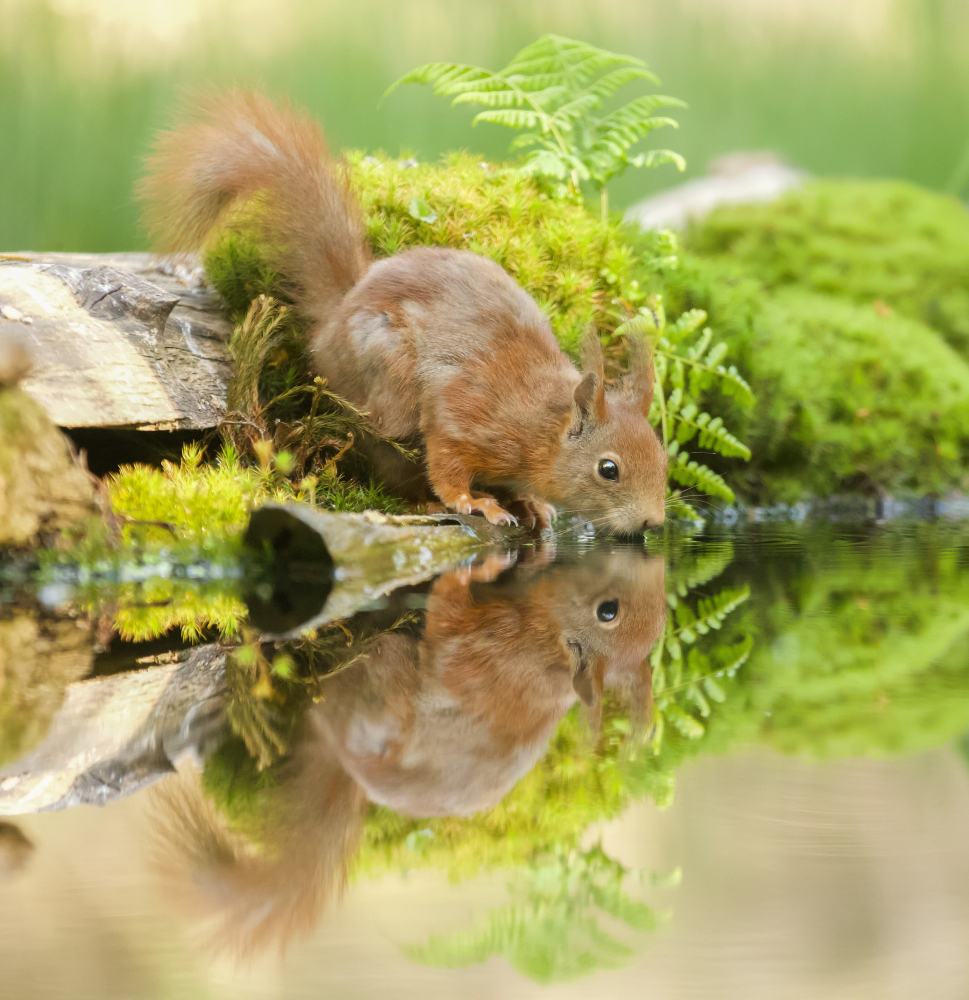
Roll Out the Red Carpet for Red Squirrels
To keep our native Red Squirrels happy:
- The Menu: Install a squirrel feeder filled with hazelnuts, walnuts, and sunflower seeds.
- The Route: Squirrels love an aerial highway. If you can, keep your treeline connected or plant climbing plants like honeysuckle to help them move safely above ground level.
Create a “Crapaud” Corner
The Jersey Toad (Crapaud) is a local icon, but they are facing tougher times.
- Go Chemical-Free: Slugs are a toad’s favourite snack. Avoid slug pellets; let the toads do the pest control for you.
- The “Toad Abode”: Create a cool, damp spot using upturned ceramic pots or piles of Jersey granite and logs. They’ll thank you for the shade during those humid July afternoons.
Plant for the Jersey Tiger Moth
One of our most spectacular residents is the Jersey Tiger Moth, with its striking creamy stripes and vivid orange underwings.
- Wilder Edges: They love “weeds.” Leaving a patch of nettles, ground ivy, or dandelion in a sunny corner provides the perfect breeding ground.
- Nectar Rich: Plant buddleia, lavender, and verbena to provide the high-energy fuel these day-flying moths (and our local bees) need.
Mind the Hedgehogs
Jersey’s hedgehogs are busy little wanderers, but they can’t roam if they’re fenced in.
- Hedgehog Highways: Cut a small 13cm x 13cm hole at the base of your garden fence. This allows them to forage between gardens without having to brave the roads.
- Check the Heap: Before you light a bonfire or start strimming, always give the leaf litter a gentle poke to make sure no one is mid-nap.
A Five-Star Retreat for Garden Birds
From the vibrant Goldfinch to the charming Jersey Robin, our feathered friends need year-round support.
- Year-Round Feeding: Don’t stop when the sun comes out. While winter is about survival, spring is about the high-energy demands of nesting. Offer sunflower hearts, suet pellets, and mealworms.
- Natural Larders: Instead of just hanging plastic feeders, plant “living bird tables.” Teasel and Sunflowers provide seeds that Finches adore, while Holly and Hawthorn offer winter berries and vital protection from hungry magpies or roaming cats.
- Cleanliness is Key: To prevent the spread of diseases (like Trichomonosis), ensure you scrub your bird feeders and water baths weekly with a mild, wildlife-safe disinfectant.
For Nectar and Pollen:
- The Pollinator Project Favourites: Look for Sea Thrift (Armeria maritima) or Foxgloves for those dappled, shady corners, but we have any pots marked as pollinator-friendly plants, just look for the bee logo on our plant pots.
- Jersey Lavender: A local classic for a reason—it’s a magnet for White-tailed Bumblebees and butterflies.
For Shelter and Nesting:
- Native Hedgerows: If you’re replacing a fence, consider a “mixed native” hedge of Hawthorn, Blackthorn, and Hazel. It provides a nesting site for birds and a safe corridor for squirrels and hedgehogs. See our blogpost on hedging for tips.
- The “Climber” Effect: Ivy is arguably the most underrated plant in Jersey. It provides late-season nectar when almost everything else has finished, and its dense evergreen leaves offer a warm winter roost for small birds like Wrens.
Every Patch Counts
You don’t need to be a professional landscaper to make a difference. By choosing a few “power plants” and keeping a messy corner, you’re helping to ensure Jersey’s wildlife thrives for generations to come.