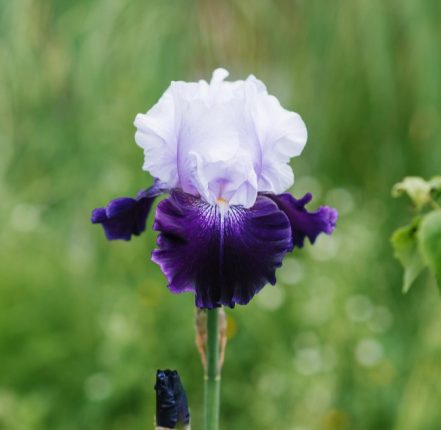
As summer fades to cool into crisp autumn, many gardens across the island start to lose their punch. But far from being the end of the flowering year, late September through October is when Aster takes center stage.
Derived from the ancient Greek word for star, these late-blooming perennials bring vibrant jewel tones—violet, magenta, icy blue, and soft lilac—to borders and containers right when our coastal gardens need a second wind.
Our unique climate, mild winters, and sunny local conditions suit asters remarkably well. They are a Pollinator Powerhouse: Asters provide a vital, late-season source of nectar for local bees and hoverflies as other floral sources dwindle. Salt & Wind Tolerant: Many classic cultivars handle coastal breezes and salt spray with ease, making them ideal for garden plots right across our parish coastlines. Long-Lasting Colour: They pair beautifully with ornamental grasses (Pennisetum, Miscanthus) and late-bloomers like Echinacea and Sedum.
Simple Caring & Planting Tips
- Sunlight & Soil: Plant in a sunny spot with moisture-retentive, well-drained soil. In dry periods, give them a good soak at the base to keep mildew at bay.
- Spacing: Give them decent air circulation—humid air can sometimes encourage powdery mildew on denser, traditional varieties.
- Autumn Pruning: Cut stems down close to the base in late autumn once flowering finishes, or leave seed heads standing over winter to shelter beneficial insects.